


あの げんきな ひと は オレ の メンツ だ。
Ano genki na hito wa ore no mentsu da.
That energetic person is my hype man.
We’re gonna break down something real, something な-adjectives. Don’t let the name trip you up, it’s just one half of the adjectives game in this language. The other half is the い-adjectives, but we’ll get into that another time.
Now, listen up. The whole deal with な-adjectives is how they roll. They got two different ways to do their thing.
First up, when they’re chillin’ at the end of a sentence, describing a dude or a situation, they’re like, “I’m good, I don’t need no extra baggage.” They just stand alone, nice and clean. But then, when they wanna get up in another noun’s face and describe that noun, they gotta bring their な with them. Think of that な like a sidekick, a bodyguard. They can’t just walk up to another noun all by their lonesome. They need that な to show they’re part of the crew. Without it, they’re just a regular cat on the street, not an adjective. They gotta earn that respect.
So, the rule is simple: na-adjective + な + noun. If the na-adjective is the last thing you say, you can drop the な. But you’re not done yet, you gotta add the だ or です to end the sentence. It’s like putting a period on the sentence, you know? You gotta finalize the deal.
So let’s lay it out like a blueprint. Check the table below. This is how you conjugate these suckers. It’s like the code you gotta know to stay in the game.
| Casual rule | example | Polite rule | Example | |
|---|---|---|---|---|
| Present Affirmative | (な-adjective) だ | べんりだ is convenient | (な-adjective) です | べんりです is convenient |
| Present Negative | (な-adjective) じゃない | べんりじゃない isn’t convenient | (な-adjective) じゃありません | べんりじゃありません isn’t convenient |
| Past Affirmative | (な-adjective) だった | べんりだった was convenient | (な-adjective) でした | べんりでした was convenient |
| Past Negative | (な-adjective) じゃなかった | べんりだじゃなかった wasn’t convenient | (な-adjective) じゃありませんでした | べんりじゃありませんでした wasn’t convenient |
For real, this ain’t complicated. Think of it like this: na-adjectives are like a crew of gangsters. They’re a whole different breed from the other cats (i-adjectives). When they’re talking about a noun, they gotta introduce themselves first with the な. It’s their crew patch, their gang sign. You see that な, you know they’re part of the clique.
Let’s say you wanna talk about a ‘dangerous’ situation. The na-adjective for dangerous is (きけん). If you wanna say “It’s dangerous,” you’d say, 「これはきけんだ」(kore wa kiken da). The adjective is just doing its thing at the end of the sentence. But if you want to say “a dangerous street,” you gotta roll with 「きけんなみち」(kiken na michi). See that な? It’s right there, connecting the adjective きけん to the noun みち. That’s how you know they’re tight, they’re a unit. You can’t just slap ’em together and hope for the best. You gotta put the crew patch on.
Here are a few words that are important to know when talking about the streets.
シャバ (Shaba)
English: The outside world; the streets.
When a cat gets sprung from the joint, he’s back out on the shaba, feel me? It’s the world outside the slammer, the free world. It’s the streets where the real game is played, away from those cold prison walls. It’s where you gotta hustle to make a name for yourself.
しのぎ (Shinogi)
English: Hustle; business; livelihood.
This ain’t no nine-to-five gig, my dude. This is how you make your paper, your shinogi. It’s the grind, the hustle you gotta put in to keep food on the table and a roof over your head. It’s all about that paper chase.
メンツ (Mentsu)
English: Crew; gang; homies.
Your mentsu are the folks you roll with, your crew, your main squad. These are the cats who got your back through thick and thin, the ones you can trust when the heat is on. In the game, your crew is everything, so you gotta pick ’em wisely.
しょうじき (Shoujiki)
English: Honest; to be honest.
When you gotta keep it real, you say shōjiki. It means you’re gonna tell it like it is, no fluff, no lies. It’s when you lay the truth on the table, even if it’s a hard pill to swallow. It’s the difference between real and fake.
カシラ (Kashira)
English: Boss; head honcho; the leader.
Every crew’s gotta have a leader, a top dog, the big boss man. That’s the kashira. They call the shots, make the moves, and everyone else falls in line. They’re the one at the top of the food chain, the one who runs the whole operation.
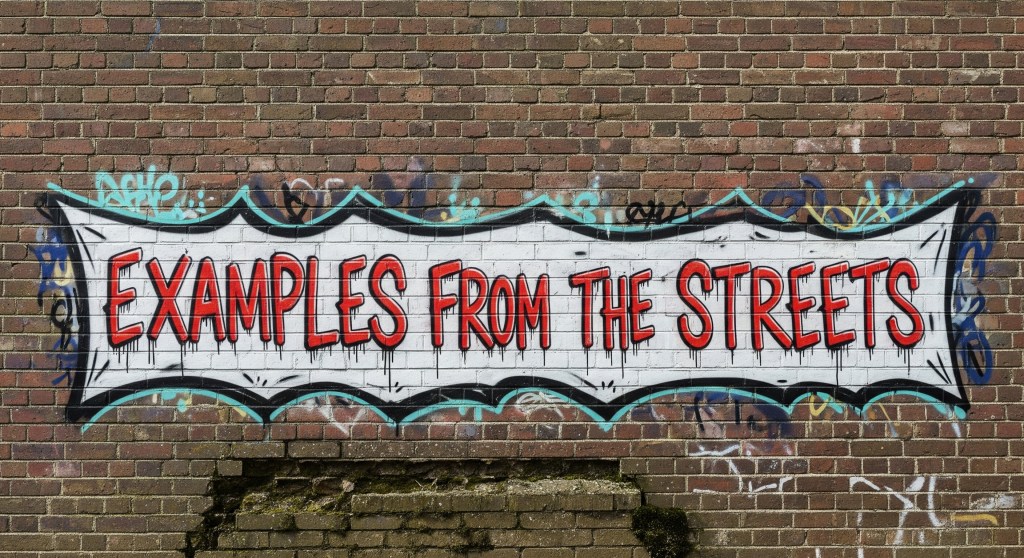
Alright, now let’s hit the streets with some sentences. Pay attention and don’t get it twisted.
カシラ は きけん な しごと を はじめた。
Kashira wa kiken na shigoto o hajimeta.
The boss started a dangerous job.
シャバ で の せいかつ は べんり じゃなかった。
Shaba de no seikatsu wa benri janakatta.
Life on the outside wasn’t convenient.
この シノギ は ゆうめい なんだ。
Kono shinogi wa yuumei nanda.
This hustle is famous, you know.
あの おとこ は しずか じゃありませんでした。
Ano otoko wa shizuka ja arimasen deshita.
That guy was not quiet.
あいつ の メンツ は たいせつ だった。
Aitsu no mentsu wa taisetsu datta.
His crew was important.
あいつ は しょうじき じゃなかった。
Aitsu wa shoujiki janakatta.
He wasn’t honest.
シノギ は かんたん じゃありませんでした。
Shinogi wa kantan ja arimasen deshita.
The hustle was not easy.
その おとこ は ハンサム じゃありませんでした。
Sono otoko wa hansamu ja arimasen deshita.
That man was not handsome.
カシラ は げんきな ひと です。
Kashira wa genki na hito desu.
The boss is an energetic person.
この けいさつ は しんせつ ですか。
Kono keisatsu wa shinsetsu desu ka.
Is this police officer kind?
Alright, that’s the lowdown on na-adjectives. Keep your eyes open for that “na” when you’re tryna connect with a noun, and you’ll be speaking smooth in no time. Stay real, stay humble. Peace out.

Leave a comment