
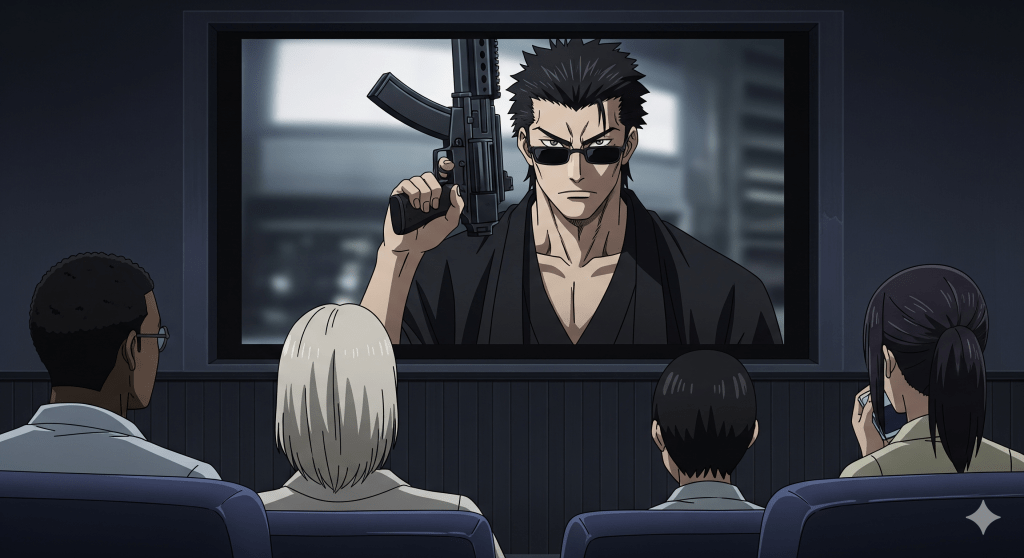
When a gun shows up in a Japanese movie, it ain’t just a prop—it’s a statement. For real. Japan’s got some of the strictest gun control laws on the planet, goin’ all the way back to the samurai days. So, in this breakdown, we’re gonna analyze how the seven main words for “gun”—Dougu, Hajiki, Chaka, Pisutoru, Teppou, Kenjuu, and Juu—ain’t just words. They’re tools that define a character’s identity, their social circle, and the whole vibe of the movie.
The cultural attitude toward guns in Japan is rooted in how rare they are. From the “Sword Hunts” of the 16th century to the modern laws, society has always been about disarming the public. This real-world absence of guns makes their appearance in fiction a seismic event. Unlike in a lot of Western flicks where guns are everywhere, when a piece shows up in a Japanese story, it means the rules have just been broken. It’s a powerful symbol that someone—a yakuza, a terrorist, a crooked cop—is living completely outside the law.
Because of this, a “gun” is rarely just called a “gun.” The writer and director make a choice. Does a character call it a hajiki, a kenjuu, or a dougu? That single word choice tells you everything about their mindset, the code of their crew, and the entire tone of the story. This paper is all about unpacking the rich layers of meaning behind that choice.
The Underworld’s Arsenal – Slang & Code Words
In the closed-off worlds of cops and criminals, they got their own language—slang. Slang for guns ain’t just about switching up words; it’s about reppin’ your set and building a wall to keep outsiders out. In this section, we’re diving deep into the slang and coded language of the underworld to see how they build reality and style in film and TV.
Hajiki & Chaka: The Twin Pillars of Yakuza Slang
Hajiki and Chaka are the most iconic slang terms for a handgun in yakuza movies. These words do more than just name an object; they instantly signal to the audience that the speaker is part of the underworld.
Linguistically, these words come from function and sound. Hajiki comes from the verb hajiku, which means “to flick” or “to fire” a bullet—it describes the gun’s action. Chaka, on the other hand, is believed to be flipped slang for the onomatopoeia kacha, the metallic sound a gun makes when it’s being worked. Ya dig? These origins reflect the pragmatic, cold worldview of the underworld, stripping the weapon of its legal meaning and boiling it down to its raw function.
Using these terms is a performative act. A yakuza says hajiki or chaka because that’s the common tongue of his world. It’s a verbal uniform, just like tattoos or a suit, showing they live outside the norms of regular society.
Examples in Film & TV

From Sonatine (1993): In this Takeshi Kitano classic, his yakuza character, Murakawa, hands a gun to a man he meets in Okinawa. He doesn’t say much, just one line:
「このハジキと車、預かってくれ」
(Kono hajiki to kuruma, azukatte kure.)”
Hold this piece and the car for me.”
The line is cold and clinical. It frames the gun not as a dramatic weapon, but as a simple, everyday tool of the trade.

From Twisted Justice (日本で一番悪い奴ら, 2016): A crooked cop, Moroboshi, gets in deep with the criminal underworld. When he needs a gun, he asks his yakuza contact with a simple, raw question:
「チャカ、ねぇか?」
(Chaka, nee ka?)”
You got a piece?”
This line is a turning point. He’s no longer using cop language (kenjuu); he’s fully adopted the slang of the underworld, showing the audience he’s crossed the line for good.
Dougu: The Tool of the Trade
Dougu is a fascinating word because its meaning flips entirely based on who’s saying it. It literally means “tool” or “equipment.” Both the cops who enforce the law and the criminals who break it have adopted it as a technical term for a gun. For cops, it often appears as koshidougu (“waist tools”), referring to the entire duty belt (gun, cuffs, baton). This bureaucratic language neutralizes the gun’s violent nature, framing it as just one part of a standard uniform. For criminals, dougu is a discreet code word, a way to talk about a weapon without being direct, hiding their violent intent.
Examples in Film & TV
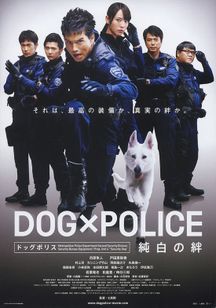
Police Context: In a detective drama, a veteran cop might tell a rookie:
「腰道具を忘れるなよ」
(Koshidougu o wasureru na yo.)
“Don’t forget your duty belt.”
This line establishes professionalism and the rigid, rule-based world of the police force.
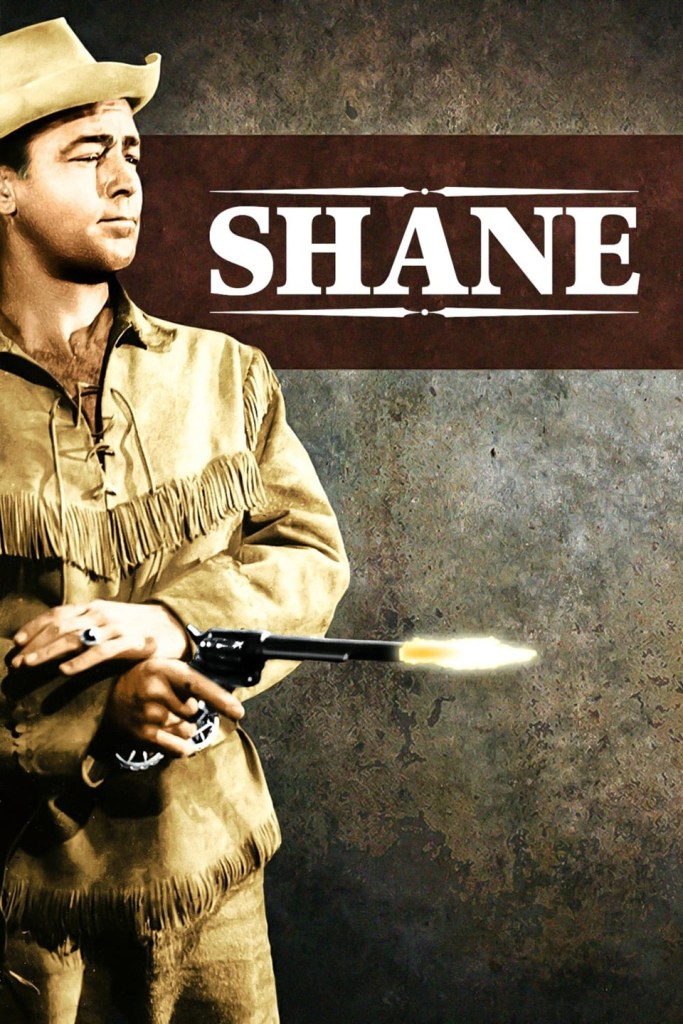
Philosophical Context: The most masterful use of this word is in the Japanese dub of the classic American Western, Shane (1953). When Shane is criticized for teaching a boy how to shoot, he says:
「銃はただの道具だ、斧やスコップと変わりない」
(Juu wa tada no dougu da, ono ya sukoppu to kawarinai.)”
A gun is just a tool. No different from an axe or a shovel.”
Here, the word returns to its neutral origin to pose a universal question about the morality of weapons—it’s not the tool, but the person using it.
The Language of Law and Modernity
While underworld slang paints a picture of a closed-off, stylized world, the official and modern terms connect the story to reality, social systems, and a contemporary feel.
Kenjuu: The Official Handgun
Kenjuu is the most official and standard term for a handgun in Japan, a direct translation of the English word. It literally means “fist-gun.” This is the word used in police documents, news reports, and courtrooms. In movies and dramas, it’s essential for creating a world of law and order. When you hear the word kenjuu, the gun is no longer a symbol of the underworld (hajiki); it’s re-contextualized as a piece of evidence to be managed by law or a tool of force sanctioned by the state.
Examples in Film & TV

From the Bayside Shakedown Series: In The Movie 3, several service weapons are stolen from a police station. The report given is formal and precise:
「拳銃三丁がなくなっていました」
(Kenjuu sanchou ga nakunatte imashita.)”
Three handguns were missing.”
Using the official term kenjū highlights the severity of the incident as a major breach of police protocol.
Pisutoru: The International Synonym
Pisutoru is a loanword from the English “pistol.” It means the same thing as kenjuu but has a completely different vibe. Pisutoru doesn’t have the stiff, legalistic feel of kenjuu or the dark, criminal weight of hajiki. It sounds lighter, more international, and evokes the feeling of a classic hardboiled detective novel or an adventure story. It’s the perfect choice for stylish, universal action that isn’t strictly tied to Japanese police procedure or yakuza culture.
Examples in Film & TV
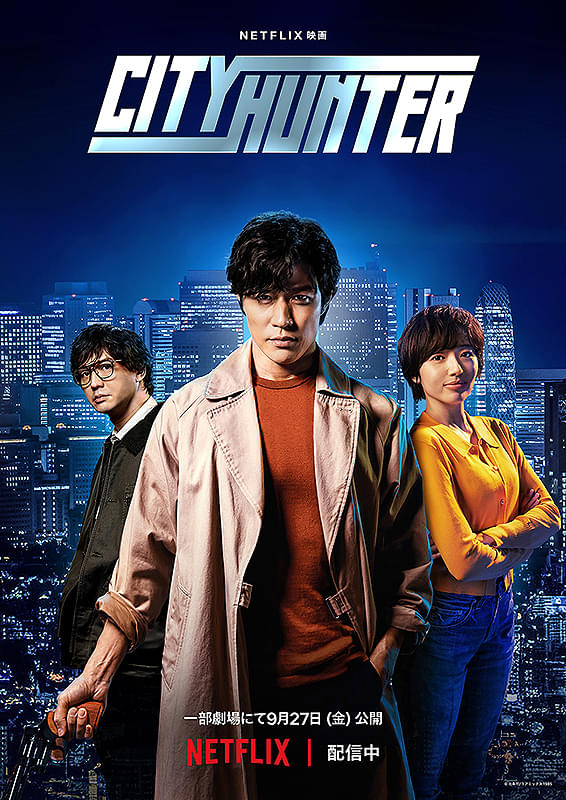
From the City Hunter Series: The show’s slick, urban action-comedy style is a perfect match for the word pisutoru. In one episode, a client tests the protagonist by saying:
「おもちゃのピストルも避けられないスイーパーに、仕事の依頼はできないわ」
(Omocha no pisutoru mo yokerarenai suiipaa ni, shigoto no irai wa dekinai wa.)
“I can’t hire a sweeper who can’t even dodge a toy pistol.”
Using pisutoru keeps the tone light and stylish. Kenjuu would sound too formal, and hajiki would make the scene unnecessarily dark.
Juu: The Universal Modern Firearm
Juu is the most comprehensive and fundamental word for any kind of firearm in modern Japanese, from a pistol to a machine gun. Its power lies in its abstraction. It doesn’t evoke a specific type of gun or social group. When a character says juu, the focus shifts from the weapon’s details to the universal themes it represents: violence, death, power, and resistance. It is the most direct, unfiltered word for a gun, used when the story confronts the essential function of a weapon—its ability to kill.
Examples in Film & TV
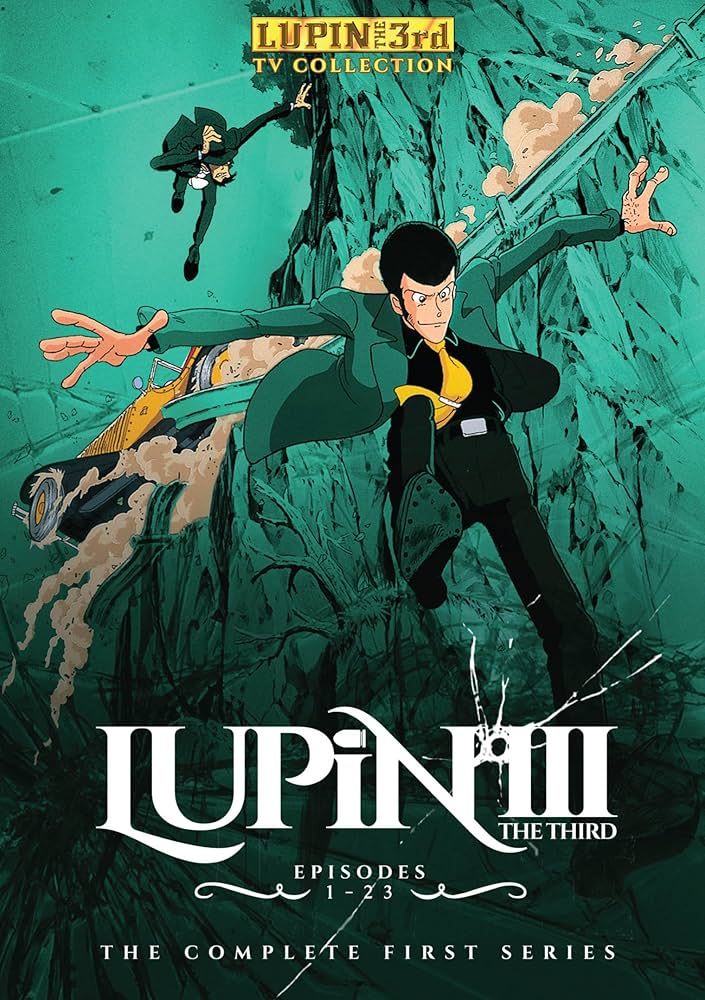
From the Lupin the Third Series: The stoic gunman Daisuke Jigen sums up his entire existence with this word:
「俺にできる事なんて銃をぶっ放す事くらいだから」
(Ore ni dekiru koto nante juu o buppanasu koto kurai da kara.)”
‘Cause the only thing I’m good for is firin’ a gun.”
He isn’t talking about his specific model; he’s talking about the very act of shooting as his only way of interacting with the world.
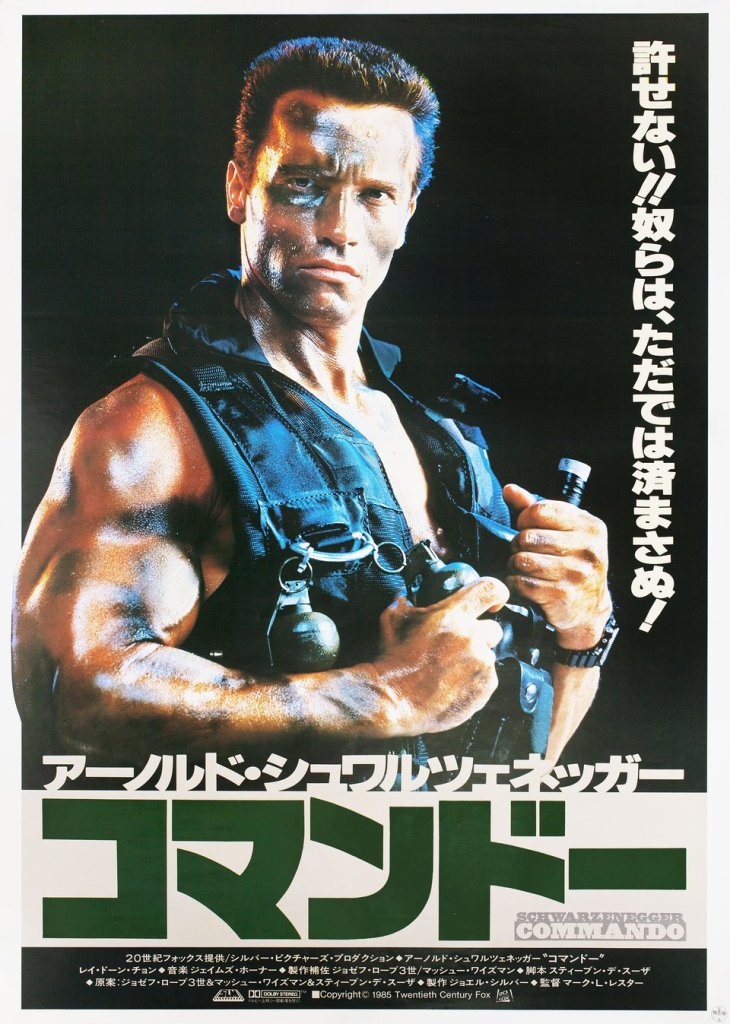
From Commando (Japanese Dub): At the climax, John Matrix yells at his nemesis, Bennett:
「来いよベネット! 銃なんか捨ててかかって来い!」
(Koi yo, Bennetto! Juu nanka sutete kakatte koi!)”
C’mon, Bennett! Throw away your gun and let’s go!”
Here, jū functions as a symbol to contrast two forms of violence: ranged combat versus a hand-to-hand fight, highlighting the hero’s code of honor.
Echoes of History – The Classic Firearm
While images of a Glock or AK might immediatly spring to mind when someone says the word “gun”, if you are watching a movie with a samurai in it, they will probably think of something else.
Teppou: The Gun of Feudal Japan
In Japanese media, especially historical dramas (jidaigeki), some words are like time machines. Teppou is one of them. It’s the historical term for the matchlock firearms introduced to Japan from Portugal in the 16th century. The moment you hear the word teppou, your mind is instantly transported to the age of samurai, castles, and the clash between traditional sword fighting and new gunpowder technology. It anchors the story in the past.
Teppou represents a revolution in warfare. They allowed peasants to become powerful soldiers, shattering the old class system built on trained samurai warriors. This weapon was a symbol of technological disruption and social change.
Examples in Film & TV

From the Drama Kirin ga Kuru (2020): A character, sensing the dawn of a new era, states:
「鉄砲は百姓でも撃てる。その鉄砲は金で買える。これからは戦も世の中もどんどん変わりましょう」
(Teppou wa hyakushou demo uteru. Sono teppou wa kane de kaeru. Korekara wa ikusa mo yononaka mo dondon kawarimashou.)
“Even a peasant can fire a teppou. And that teppou can be bought with money. From now on, both war and the world will change rapidly.”
This dialogue frames the teppou not just as a weapon, but as a revolutionary device that made old values like lineage obsolete.

From Harakiri (1962): Set in the early Edo period, the climax sees the lone protagonist cornered in a mansion. After he cuts down multiple samurai with his sword, the clan’s final solution is to bring out a squad with teppou. The roar of the teppou signals the end of the age of the samurai and the dawn of a more impersonal, organized form of violence.
Character, Context, and Meaning
The seven terms for “gun” analyzed here aren’t just a list of synonyms. They form a highly specialized vocabulary system. By choosing which word to use, Japanese filmmakers and screenwriters can efficiently and powerfully communicate a character’s identity, their social world, the story’s genre, and the overall tone.
Summary Table of Firearm Terms
| Term (Kanji/Kana) | Romaji | Primary Nuance & Context | Typical User Profile |
| 道具 (どうぐ) | Dougu | Technical term/Euphemism. “Tool.” | Cops, Criminals |
| ハジキ | Hajiki | Criminal slang. The most iconic yakuza term for a handgun. | Yakuza, Gangsters |
| チャカ | Chaka | Criminal slang. Nearly identical to hajiki. | Yakuza, Gangsters |
| ピストル | Pisutoru | Modern/International. A neutral, common loanword for “pistol.” | Action Heroes, Civilians |
| 鉄砲 (てっぽう) | Teppou | Historical/Archaic. Refers to pre-modern firearms, esp. matchlocks. | Samurai, Historical Figures |
| 拳銃 (けんじゅう) | Kenjuu | Official/Legal. The standard, formal term for a handgun. | Police Officers, Officials |
| 銃 (じゅう) | Juu | General/Universal. The basic, all-encompassing word for “gun.” | Any modern character |
These words exist on a spectrum of time period, formality, group affiliation, and specificity. Understanding this system is key to appreciating the subtle nuances of Japanese filmmaking. Because guns are so rare in Japanese society, the words used to describe them carry far more weight. A single word can create a world of honor and violence (hajiki), conjure the logic of a bureaucracy (kenjuu), or force us to confront the fundamental questions of violence itself (juu). It’s a masterclass in storytelling.
Hope this helps!

Leave a comment