


そのギャングは偉そうに街を歩いている。
That gangster is walking down the street like he owns the place.

Read the explanation below to understand the nuance of how this grammar structure is used.
Listen, そうに ain’t about facts. Facts are for cops and accountants. This grammar is about the vibe. It’s what you see, what something looks like on the surface.
When you use そうに, you’re makin’ a judgment based on appearance. You’re watching how somebody is doing an action. You see a dude hunched over, holding his stomach?

You say, “He’s walkin’ as if it’s painful (痛そうに歩いている).” You don’t know if he’s hurt. Maybe he’s just practicing for a play. But that’s what it looks like.
そうに is an adverb. That means it hooks up to a verb to describe the action. It’s the difference between “He is sad” (fact) and “He is talking like he’s sad” (vibe).
You use this joint all the time when you’re describing what you’re witnessing. It’s perfect for reading the room.
Say you walk into the boss’s office. He’s countin’ a fat stack of cash. How’s he countin’ it? He’s smilin’, right? He’s countin’ that money happily or like he’s having fun (楽しそうに).

Or, you’re interrogatin’ some snitch. He’s sweating, lookin’ around. You ask him a question, and he answers nervously (不安そうに). He looks nervous while he’s talking. That’s そうに. It’s all about describing the action based on the look.
Think of そうに like a filter on your phone’s camera. The action is the photo itself. Like, “He is talking” (彼が話している). そうに is the filter you put on it.
You add the “Sad” filter? 悲しそうに -> He’s talking looking sad.
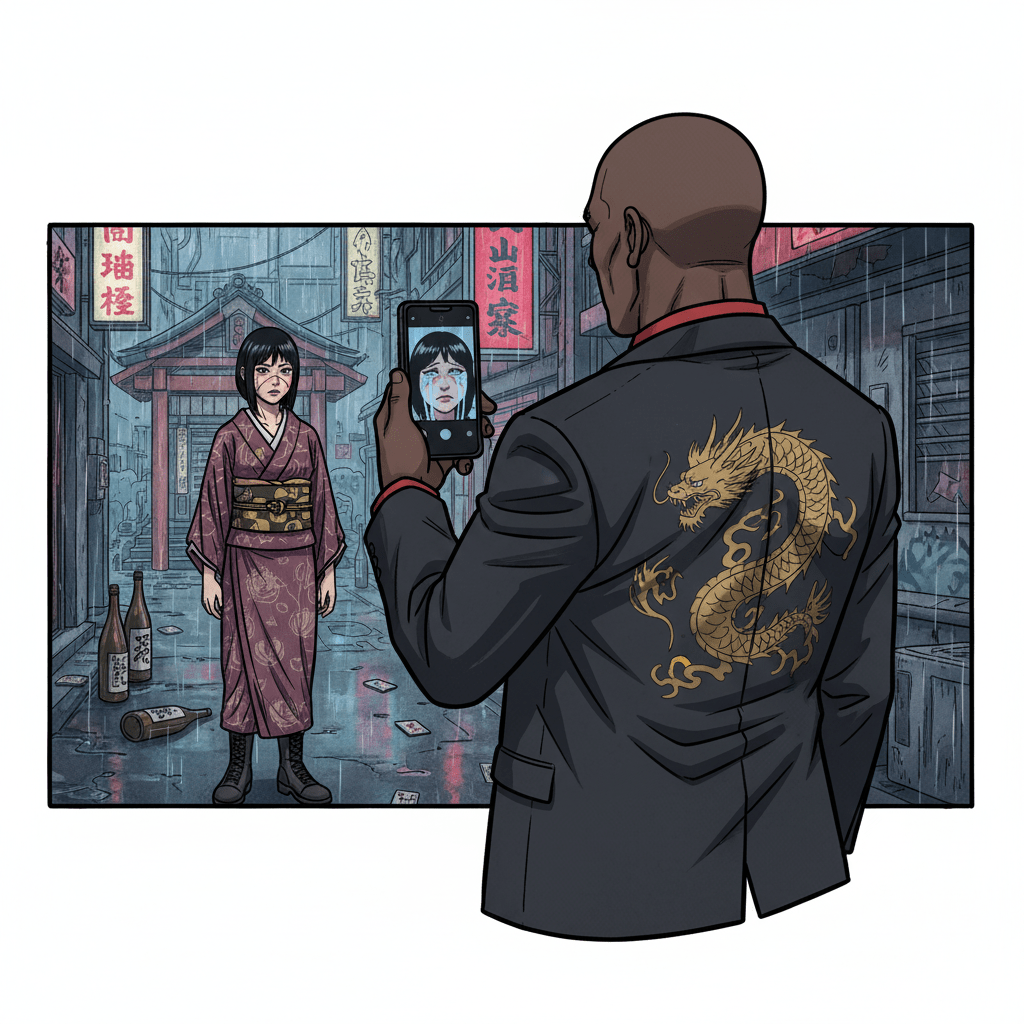
You add the “Happy” filter? 嬉しそうに -> He’s talking looking happy.
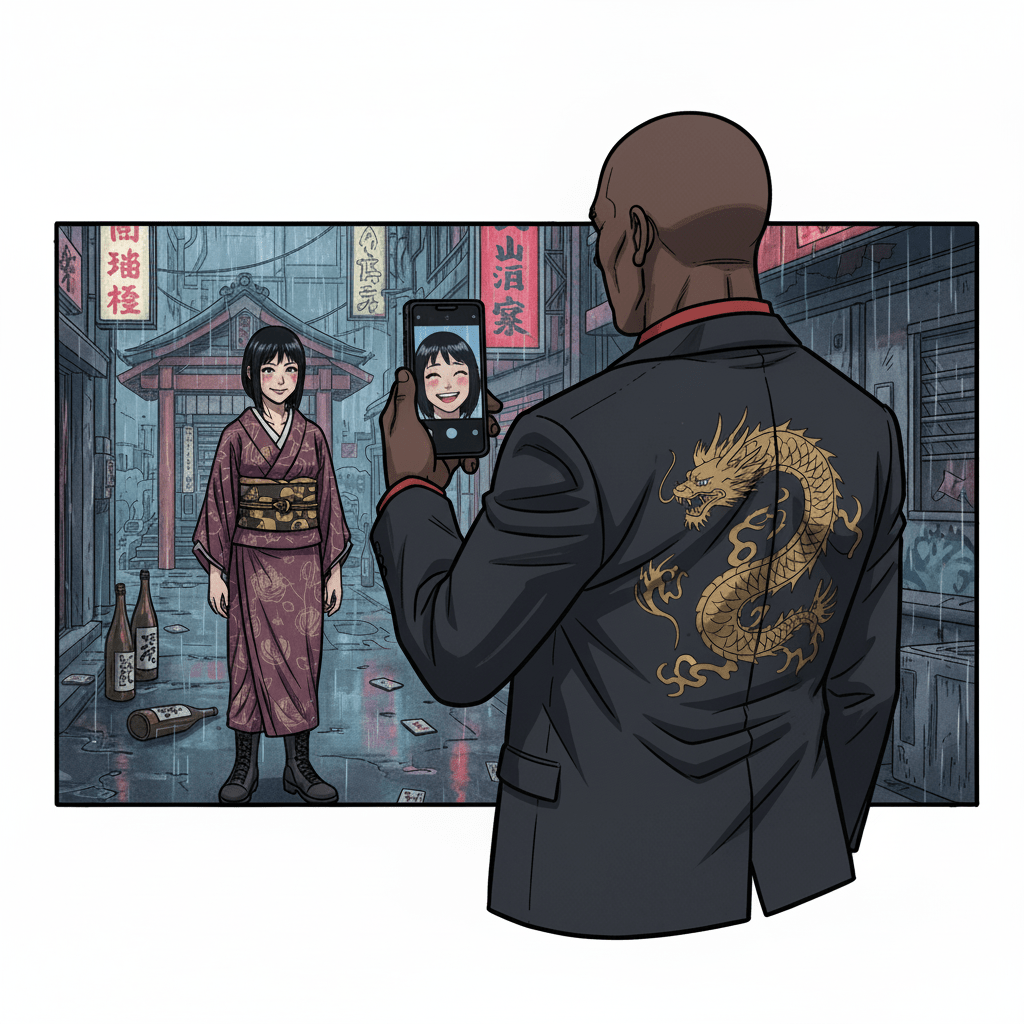
The action doesn’t change, but the vibe of how it’s done changes completely. そうに is the “Looks Like” filter for your verbs.

Read the table below then use it to conjugate some words you know.
Here’s the blueprint for how you hook this grammar up.
| Type | How to Conjugate | Conjugated Form | Example Sentence (w/ Translation) |
| I-Adjective | Drop the final い (i) + そうに | 痛い -> 痛そうに | 彼は痛そうに歩いている。 |
| Na-Adjective | Stem + そうに | 心配 -> 心配そう | 彼女は心配そうに電話していた。 |
| Exception | いい / よい (ii / yoi) | 良い -> よさそうに | 彼はよさそうに笑った。 |
| Exception | ない (nai) (negative) | ない -> なさそうに | 彼は興味なさそうに話を聞いた。 |
It’s simple, really. For i-adjectives, you just chop off the last ‘い’ and smack そうに on the end. For na-adjectives, you don’t even gotta do that; just add そうに straight to the word. The only one that tries to trick you is ‘いい’ . That joint always changes to ‘よさそうに’ . Don’t forget it. And if you wanna say someone looks like they don’t have somethin’, like ‘no interest’, you use ‘なさそうに’ .

Listen to and repeat the sentences below.
彼女は悲しそうにボスの写真を見ていた。
She was looking at the boss’s picture sadly.
彼はそのカバンを重そうに運んでいる。
He’s carrying that bag as if it’s heavy.
ライバルチームは悔しそうにこちらを睨んだ。
The rival crew glared over here looking bitter.
彼は「知らない」と面倒くさそうに答えた。
He answered, “I dunno,” like it was a big hassle.
ボスは満足そうに葉巻を吸った。
The boss smoked his cigar looking satisfied.
人質は怖そうに震えていた。
The hostage was shaking as if they were terrified.
彼は眠そうにあくびをした。
He yawned like he was sleepy.
警察は怪しそうにその車を調べた。
The cop inspected the car suspiciously.
仲間が痛そうに腕を押さえている。
My homie is holding his arm as if it hurts.
彼はつまらなそうにボスの長い話を聞いていた。
He was listening to the boss’s long story looking bored as hell.
Stay Solid.

Leave a comment