

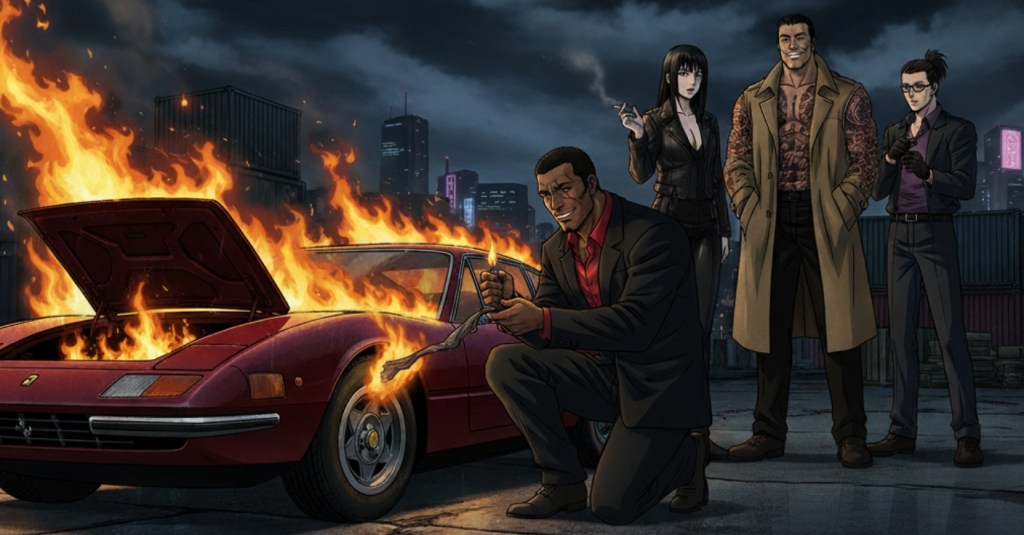
宿敵の車が無防備に停まっていたので、火をつけずにはいられなかった。
My rival’s car was parked defenseless, so I couldn’t help but set it on fire.

Read the explanation below to understand the nuance of how this grammar structure is used.
Aight, pull up a seat, class is in session. Today we’re choppin’ up some real N2 grammar: 「~ずにはいられない」 (zu niwa irarenai).
This is that “I can’t help it” grammar. It’s about that raw, uncontrollable urge. Pay attention, ’cause this ain’t no game.
The Nuance: What This Really Means
Look, this ain’t about what you should do, like some obligation. This is about shit you just can’t hold back.
It’s that impulse, that gut feeling, that physical reaction. It’s when your emotions or your body just take over the driver’s seat. You ain’t thinking about it, you just react. It’s that feeling when you hear a fire track from Dre or Snoop, and you just gotta nod your head. You ain’t planning it, it just happens. That’s the vibe.
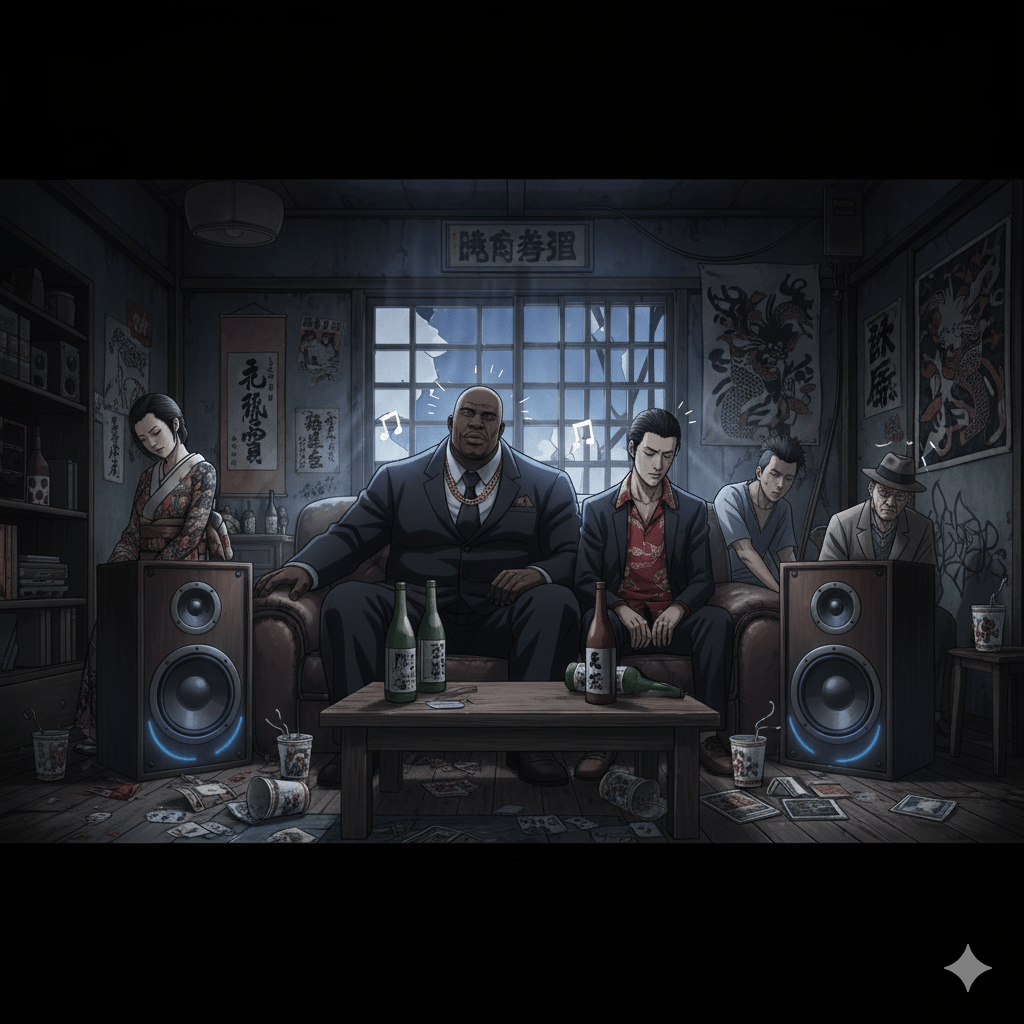
「~ずにはいられない」 (zu niwa irarenai) is all about an action you can’t stop doing (can’t help nodding your head, cant help laughing, can’t help eating).
The Common Situation
When do you use this? You use it when the feeling is just too damn strong.
Say your rival crew rolls up wearing some wack-ass, cheap-looking suits. You see ’em and you just can’t help but laugh (笑わずにはいられない).

It’s that uncontrollable, spontaneous reaction to something you see, hear, or feel. It just bursts out of you.
Metaphor: When the Beat Drops
Think of it like this: You’re at some dead-end spot. The music is trash, everyone’s bored. Then, outta nowhere, the DJ stops fuckin’ around and drops that one track. That real “Hypnotize” B.I.G. joint.

Your body just moves. You ain’t planning to dance. You ain’t thinking, “It is now time to move my feet.” Nah. The beat just takes over, and you can’t help but move (踊らずにはいられない).
That involuntary impulse? That’s 「ずにはいられない」. You’re not in control; the beat is.

Read the table below then use it to conjugate some words you know.
Here’s the breakdown of how you hook this joint up.
| Verb Type | Dictionary Form | Nai-Form | The Build | Example Sentence (English) |
| Group 1 | 飲む | 飲まない | 飲まずにはいられない | I can’t help but drink. |
| Group 2 | 食べる | 食べない | 食べずにはいられない | I can’t help but eat. |
| Irregular | する | しない | せずにはいられない | I can’t help but do it. |
| Irregular | 来る | 来ない | 来ずにはいられない | I can’t help but come. |
It’s pretty simple. For 「ずにはいられない」, you take the verb, drop the ‘nai’, and add ‘zu niwa irarenai’. So ‘warau’ (to laugh) becomes ‘warawa-zu niwa irarenai’ (can’t help but laugh). The only one you gotta watch is ‘suru’ (to do), which always becomes ‘sezu niwa irarenai’. Don’t forget that, or you’ll sound like a rookie.

Listen to and repeat the sentences below.
あの裏切り者の顔を思い出すと、ムカつかずにはいられない。 When I remember that snitch’s face, I can’t help but get pissed off.
彼のデカい車を見ると、ちょっと嫉妬せずにはいられない。 When I see his big-ass car, I can’t help but feel a little jealous.
昔の武勇伝を聞かされると、あくびをせずにはいられない。 When I’m forced to listen to his old war stories, I can’t help but yawn.
ライバルをコンクリート詰めにしている時、彼は高笑いせずにはいられなかった。
While he was putting his rival in concrete shoes, he couldn’t help but laugh maniacally.
「トレーニング デイ」のアロンゾを見ると、悪徳警官の鑑だと思わずにはいられない。
When I watch Alonzo in “Training Day,” I can’t help but think he’s the perfect model of a corrupt cop.
強盗で得た金を見て、仲間を出し抜くことを考えずにはいられなかった。
Looking at the money from the heist, I couldn’t help but think about double-crossing my crew.
カバンを開けたら指が入っていて、悲鳴を上げずにはいられなかった。
I opened the bag and there was a finger in it… I couldn’t help but scream.
裏切り者が実の弟だと知った時、引き金を引かずにはいられなかった。
When he found out the traitor was his own flesh-and-blood brother, he couldn’t help but pull the trigger.
あの男の嘘を聞くと、怒らずにはいられなかったぜ。
When I heard that guy’s lies, I couldn’t help but get mad.
あの女の誘惑には、抗わずにはいられない。
I can’t help but give in to that woman’s temptations.
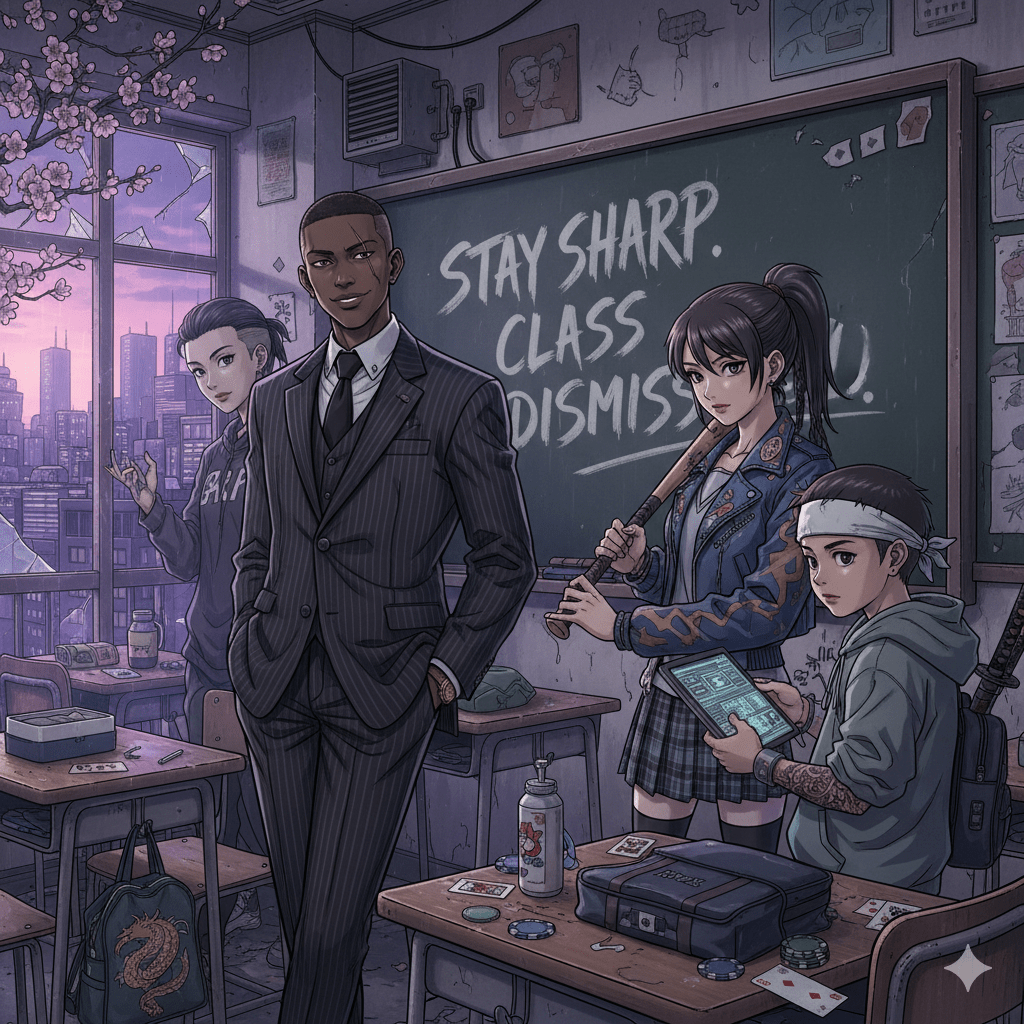
Stay sharp. Class dismissed.

Leave a comment