


Yo, what’s good, fam? Lemme drop some knowledge on you. You’ve got this paper on Japanese gangster flicks, and you wanna know what’s up. I see you’re tryin’ to get down with the yakuza eiga scene, but you’re feelin’ lost in the sauce with all that fancy academic talk. Straight up, a lot of this ain’t nothin’ but a new jack tryin’ to sound like a boss. But don’t you worry, I got you.
First off, they talkin’ ’bout ninkyo eiga and jitsuroku eiga. What that really means is, you got the old school gangster films, the ones that make it look all cool and honorable, like the yakuza got some kind of samurai code. That’s the ninkyo stuff. They’re all about loyalty and doin’ right by your crew. They makin’ the streets look like a fairytale.
Then, you got the real talk, the jitsuroku flicks. That’s when cats like Kinji Fukasaku came through and showed the game for what it really is: grimy, bloody, and ain’t no honor in it. It’s not about some fake code; it’s about survival. It’s the difference between a studio flick and a real street documentary. Fukasaku’s movies, especially Battles Without Honor and Humanity, are the blueprint. They changed the whole damn game.
Now, let’s break down some of these movies you got on your list.
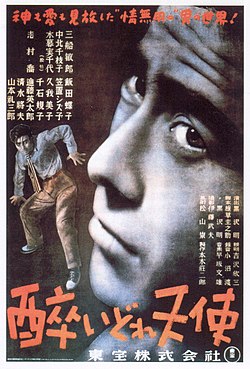
Drunken Angel (1948): This ain’t your typical gangster joint. It’s Akira Kurosawa, so you know it’s heavy. It’s all about the post-war blues, that despair and hopelessness hangin’ in the air. The gangster in this flick ain’t no hero; he’s just a cat tryin’ to survive. It’s more of a soul flick than a shoot-em-up.
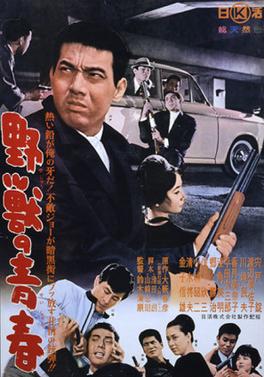
Youth of the Beast (1963): You got Seijun Suzuki comin’ through with that wild style. This dude was like the street artist of the movie world, takin’ some basic-ass script and turnin’ it into a masterpiece. He did his own thing, played by his own rules, and the studio ended up blackballin’ him for it. A real rebel, you dig?
Battles Without Honor and Humanity (1973): This is the holy grail, man. The granddaddy of ’em all. This flick put the “real” in “real-life gangster flick.” Fukasaku used all these crazy camera moves, shaky shots, and zooms to make you feel like you right there in the middle of the beef. It’s a straight-up chaotic masterpiece that showed everyone what the streets are really like.
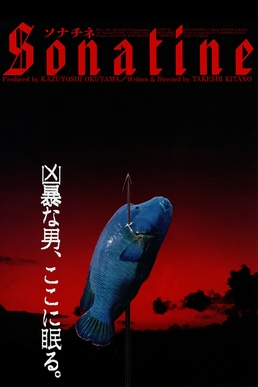
Sonatine (1993): Now, this is some different stuff. Takeshi “Beat” Kitano is all about that quiet storm. He’s not gonna give you a bunch of talkin’ and flashy fight scenes. His violence is quick, brutal, and silent. He’s got his crew chillin’ on the beach, playin’ games, but you know the whole time that it’s all about to go left. It’s a sad, beautiful kind of film.
You can’t talk about these films without talkin’ about how they influenced my people here in America. The whole vibe of some of our best directors, like Quentin Tarantino, comes straight from this stuff. That whole “y’all wanna watch some vintage flicks” vibe? That’s what they doin’. They took that Japanese gangster style and flipped it, mixin’ it with our own cinematic gangster traditions from the East Coast to the West Coast.
So, when you look at these films, don’t just see a bunch of dudes in suits doin’ crime. See ’em as a history book. They tell the story of a whole nation, from the bad times after the war to the new millennium. They ain’t just movies; they’re a witness to the whole damn struggle.

Leave a comment