

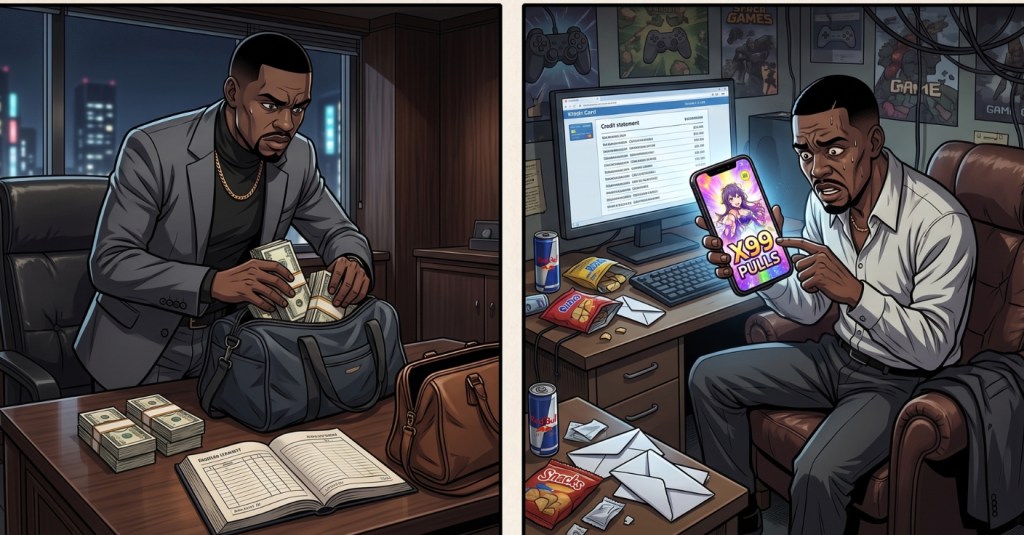
組織の金を横領し続けた末に、ガチャ課金で全部溶かした。
After embezzling cash from the syndicate for months, he blew it all on mobile game microtransactions.

Read the explanation below to understand the nuance of how this grammar structure is used.
The Nuance: What This Shit Actually Means
Look, 〜た末 ain’t just about doing something and moving on. This grammar point means “after a long-ass, agonizing process of doing something over and over, struggling, stressing, and going back and forth, you finally hit a final result.”
It’s all about the drama that happens before the outcome. Think about Boyz n the Hood when Tre and his boys are riding around trying to decide if they’re gonna go through with the ultimate retaliation, or in Juice when Bishop is losing his damn mind trying to figure out his next move. It’s that heavy, drawn-out mental or physical struggle. You didn’t just make a choice; you went through hell and back to get to the finish line.
The Metaphor: Think of it like a boxing match or a long-ass turf war. You don’t just win the block by snapping your fingers. You gotta take some hits, throw some counter-punches, bleed a little bit, and then—after all that damn drama—you finally standing on top of the concrete. The struggle is the 〜た末, and the victory (or defeat) is what comes right after.

Before you start throwing this around on the streets, you gotta know how to build it. It’s simple, but you gotta come correct. Check the blueprint below.
Here is how you hook this grammar point up to your verbs and nouns.
| Part of Speech | How to Hook It Up | Example | English Translation |
| Verb (Past Tense) | Verb [Ta-form] + 末 (に) | 悩んだ末に | After agonizing for a long-ass time |
| Noun | Noun + の + 末 (に) | 激論の末に | After a heated-ass argument |
To flip this grammar right, you either take a verb and put it straight into the plain past tense (〜た), or you grab a heavy noun and slap a の right before 末. You’ll usually see a に tagged onto the end of 末 to keep the sentence flowing smooth into the final result, but sometimes dudes drop the に when they’re writing or trying to sound heavy. Just remember: whatever happens before the 末 had to take a long-ass time and a whole lot of energy. Don’t use this for quick shit like “After I opened the door, I walked out.” That’s amateur hour.

Read and master the example sentences below.
裏切り者を尋問した末に、ただの勘違いだと分かって気まずくなった。
After interrogating the suspected rat for hours, it turned out to be a total misunderstanding and got awkward as hell.
何日も計画を練った末に、ターゲットの住所を間違えていることに気づいた。
After plotting the hit for days, they finally realized they had the wrong damn address.
一晩中逃走した末に、自分の家の前で捕まった。
After running from the cops all damn night, the getaway driver got busted right in front of his own house.
派手な抗争の末に、お互いのボスの名前が同じ「タカシ」だと知り、和解した。
After a brutal turf war, both crews found out their bosses were named “Takashi” and called a truce.
防犯カメラをすべてハッキングした末に、録画ボタンを押し忘れていた。
After hacking every security camera in the building, the tech guy realized he forgot to hit the damn record button.
縄張りを争った末に、じゃんけんで決めることになった。
After a bloody battle over the block, they finally decided to settle the turf war with rock-paper-scissors.
裏社会でのし上がった末に、税務署のガサ入れで一発アウトになった。
After rising to the top of the underworld, the tax man raided his spot and put him away in one shot.
変装の技術を極めた末に、自分の母親にも気づかれなくなった。
After mastering the art of disguise, he got so good his own damn mama didn’t recognize him on the street.
伝説の殺し屋を探し回った末に、近所のコンビニでバイトしているのを見つけた。
After hunting for the legendary hitman everywhere, they found him working at the local convenience store.
アリバイを必死に考えた末に、「その時は寝ていた」というクソみたいな言い訳になった。
After sweating bullets trying to brainstorm a perfect alibi, he came up with the shitty excuse: “I was taking a nap.”
Stay dangerous.

Leave a comment